
Where to Begin When Designing Your Home
Designing or renovating a home often begins with excitement, then becomes more layered as decisions begin to build. Many clients come to us after spending time gathering inspiration, saving images, and refining what they’re drawn to, yet feeling unsure how to move forward in a way that feels cohesive. What ultimately shapes a successful project is s the clarity and structure established at the beginning. When the foundation is thoughtfully defined, each decision that follows feels aligned, creating a home that is both intentional and lasting.
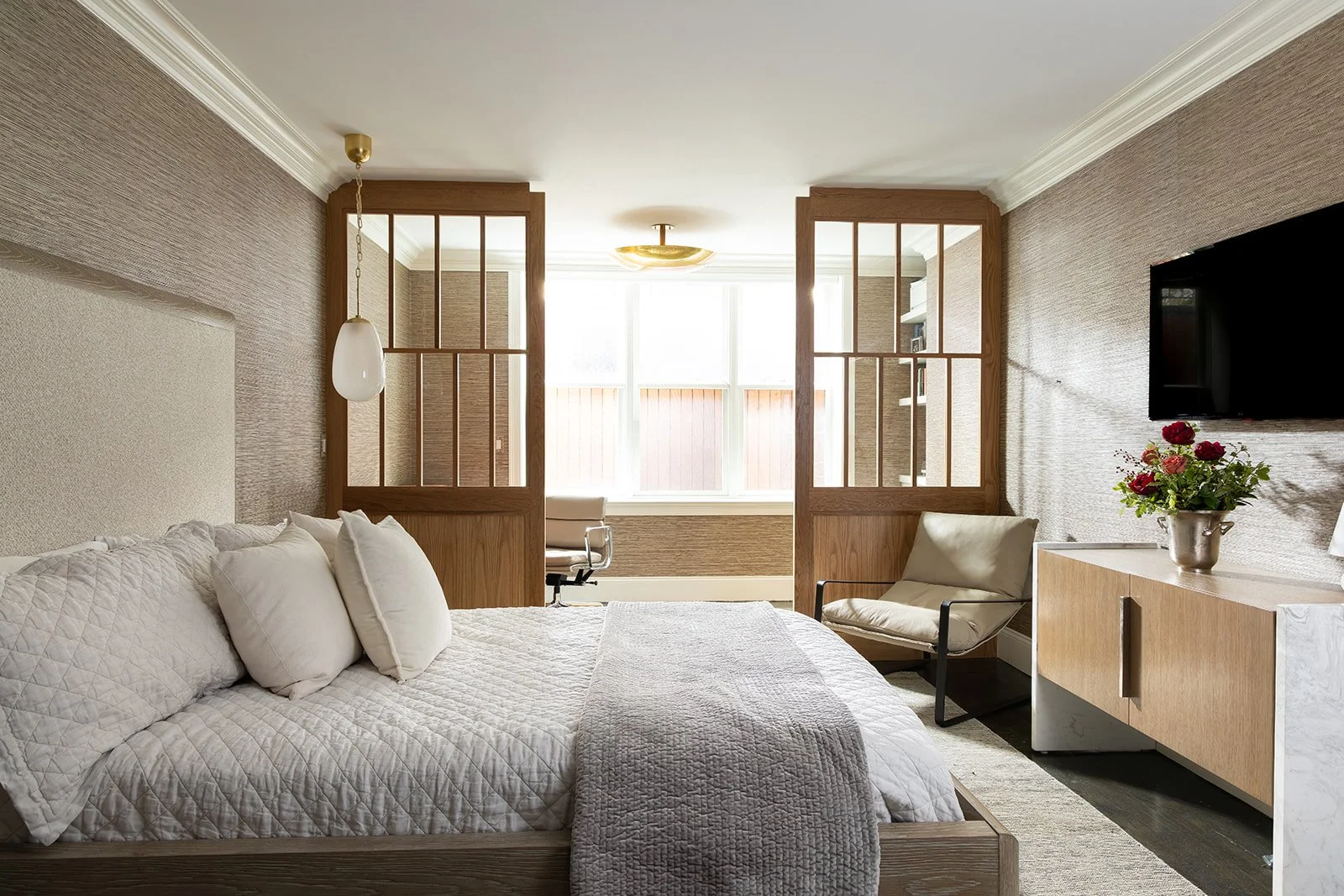
Start with How You Want to Live (Not What You Want It to Look Like)
Before selecting materials or layouts, the most important question is how you want your home to function day to day. Think about how you move through your mornings, where you naturally gather, and what currently feels frustrating or unresolved. Consider what would make your space feel easier, calmer, or more aligned with your routine. These insights shape the direction of the entire project. A home that supports your lifestyle will feel intuitive in a way that goes beyond aesthetics. When we begin with function and feeling, the visual decisions become clearer and more enduring.
Define the Scope Early (and Honestly)
One of the most important early steps is understanding the scope of work. Are you furnishing and refining an existing space, renovating key areas such as a kitchen or bathroom, or reworking the layout entirely? Each of these paths requires a different level of planning, timeline, and investment. Being clear about the level of transformation you’re seeking allows the project to be structured correctly from the start. It also creates alignment between all parties involved and supports a smoother, more consistent process.
Establish a Realistic Investment Range
A thoughtful approach to budget brings clarity to every decision that follows. While the exact number does not need to be finalized at the beginning, defining a realistic range is essential. Without it, decisions tend to happen in isolation, whether that’s selecting a finish here or a fixture there, without a full understanding of how it contributes to the overall picture. When the investment is considered as a whole, it becomes easier to guide where to prioritize, where to simplify, and how to create a result that feels cohesive and elevated.
Prioritize Layout Before Finishes
It’s natural to be drawn to materials first, from stone selections to cabinetry and hardware, but those decisions are most effective when the layout has already been resolved. The layout determines how the space flows, how it functions, and how it feels to move through. It shapes the experience of the home in a way that finishing alone cannot. When the layout is carefully considered first, every subsequent decision has a clear framework, allowing the final result to feel balanced and intentional.
Bring in a Designer Earlier Than You Think
Many clients initially plan to begin on their own and bring in a designer later in the process. In practice, involving a designer early creates more clarity from the outset. It allows for the vision to be defined before decisions are made, aligns layout, materials, and investment from the beginning, and supports a more seamless collaboration with contractors and architects. Early guidance helps ensure that each choice contributes to the overall plan, allowing the process to move forward with confidence.
Expect the Process to Be Layered
A well-designed home develops over time, moving through distinct phases that each require attention. It begins with defining the vision, followed by developing the design, making selections, and executing with care. The final stage brings refinement through layering, where details such as textiles, styling, and finishing elements come together to complete the space. When each phase is given the attention it deserves, the result feels composed and cohesive, with every element working together.
The most successful projects are those where each decision feels aligned, and the space supports how you live in a natural, effortless way. Starting with clarity allows everything that follows to come together with intention.